

Cottages to Rent in Axminster
Looking for cottages to rent in Axminster? You’ve come to the right place! Nestled on the Devon-Dorset border, Axminster...





by Laura Bell / Travel Guide
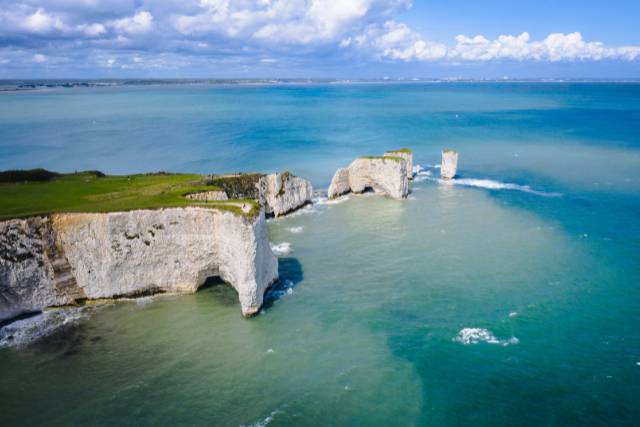
Choosing between Dorset and Devon for your next south coast holiday is not always easy. Both counties are known for their beautiful scenery, welcoming towns and villages, fantastic beaches and a huge choice of things to see and do. Whether you are planning a family break, a romantic escape or a relaxing seaside getaway, Dorset and Devon both promise memorable experiences.
So which is better? The truth is that it depends on what you want from your holiday. To help you decide, here is a closer look at what makes each county special and what you can expect when you visit.
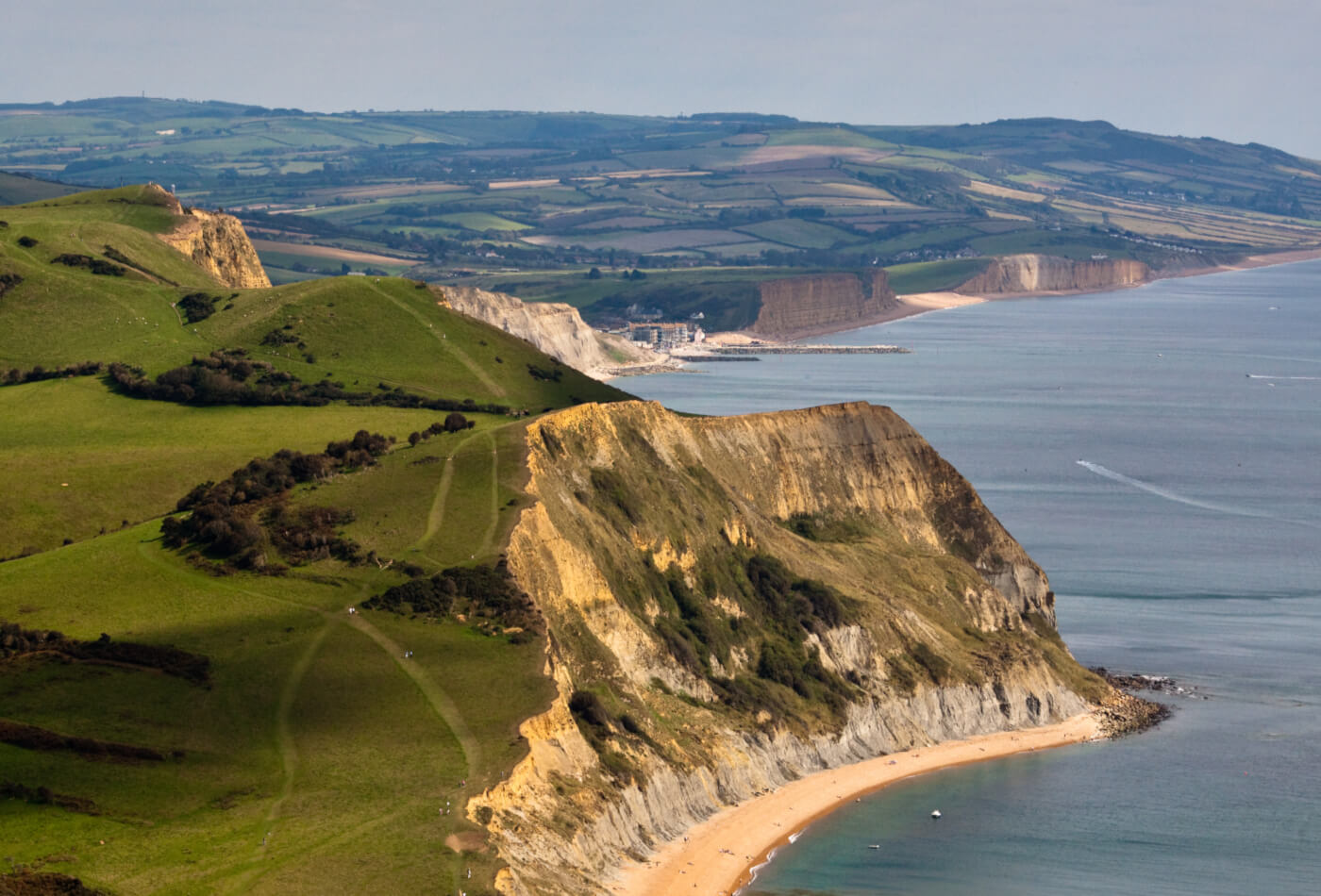
One of the biggest draws to both Dorset and Devon is the coastline, but the scenery in each county has its own distinct character.
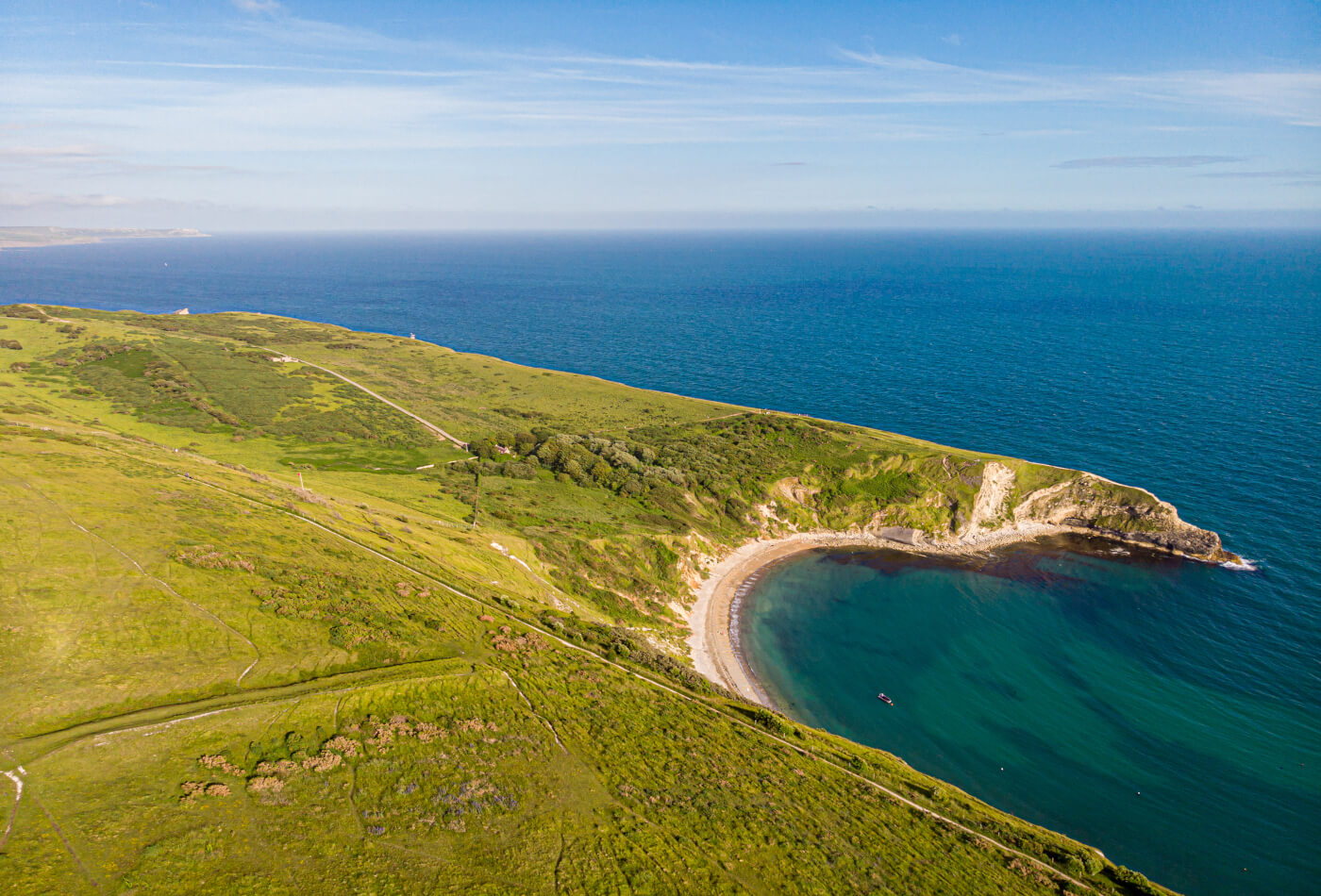
Dorset is famous for the Jurassic Coast, a UNESCO World Heritage Site that stretches for over 90 miles. This coastline is known for its dramatic cliffs, unique rock formations and fossil rich beaches. Landmarks such as Durdle Door, Lulworth Cove and Old Harry Rocks are instantly recognisable and attract visitors from all over the world.
One of the great things about Dorset is how close everything feels. It is easy to explore several highlights in a short space of time, making it ideal for shorter breaks.
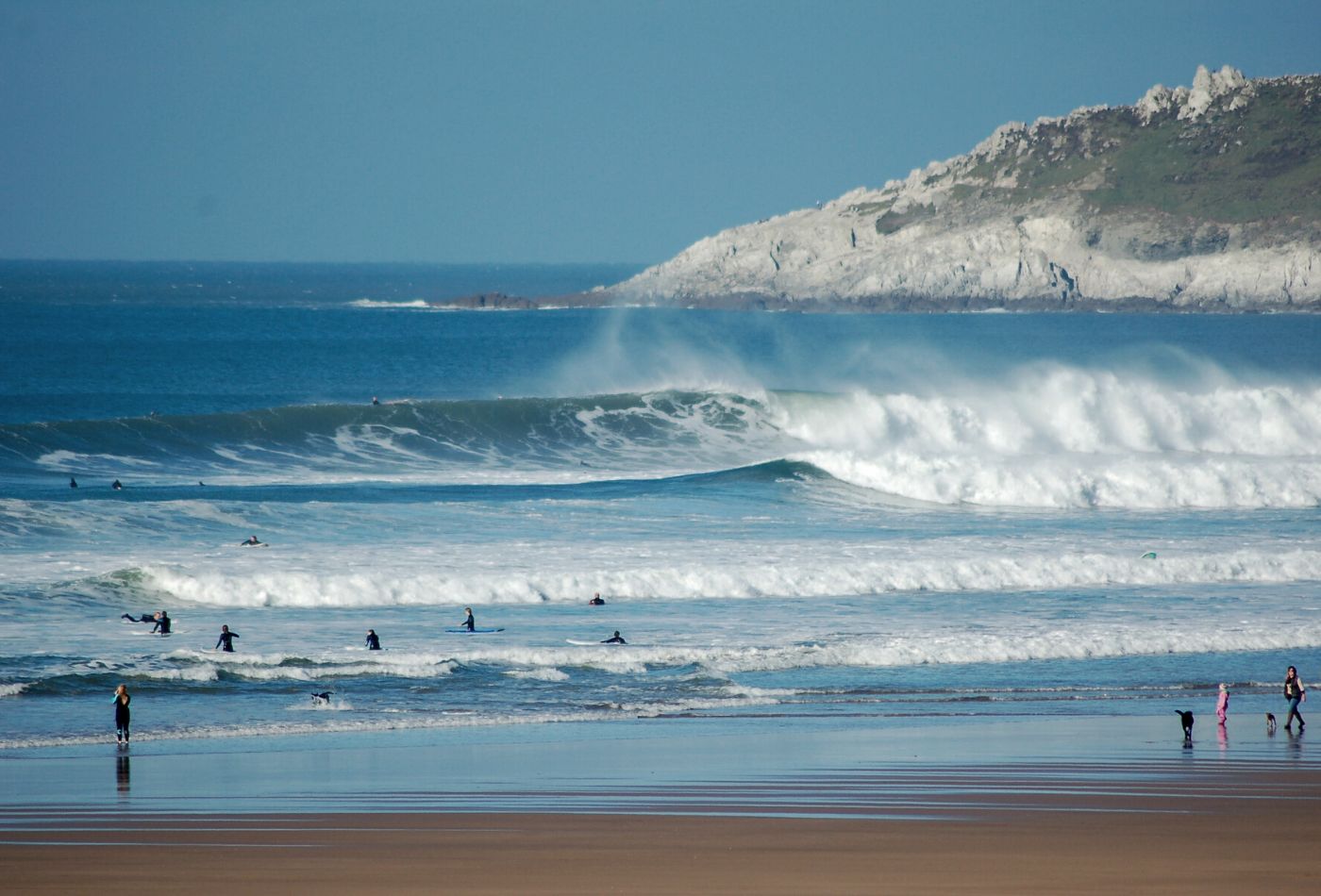
Devon offers a greater sense of variety. With two coastlines, the county feels larger and more diverse. The north coast faces the Atlantic and is known for its rugged cliffs and powerful waves, while the south coast is calmer, with gentler landscapes and sheltered bays. Inland, Dartmoor and Exmoor provide wide open spaces, rolling hills and far reaching views that add another layer to Devon’s scenery.
Quick takeaway:
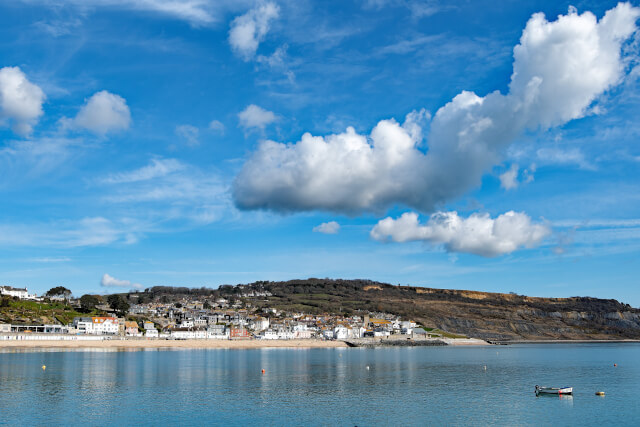
Beach days are a big part of any south coast holiday, and both counties offer plenty of choice.
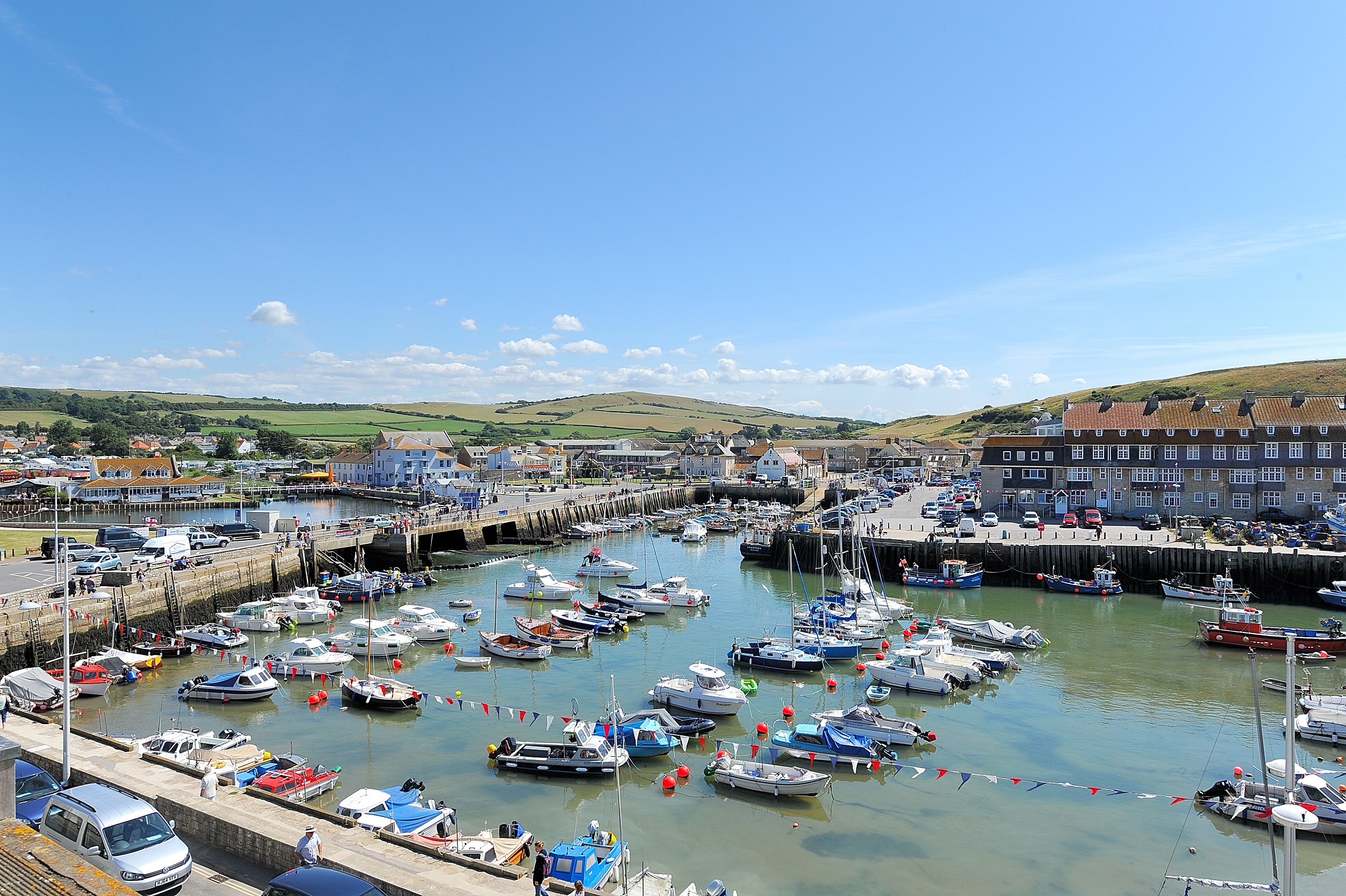
Dorset’s beaches are varied, often featuring a mix of sand and pebbles backed by impressive cliffs. Lyme Regis is well known for its family friendly beach, calm waters and opportunities for fossil hunting. West Bay offers dramatic views and a traditional seaside feel, while Studland Bay is popular for its long sandy stretches and nature rich surroundings. Bournemouth provides a classic beach resort atmosphere with facilities, cafés and plenty of space to relax.
Devon’s beaches tend to be wider and sandier, which makes them particularly popular with families and surfers. Woolacombe and Saunton Sands are regularly listed among the best beaches in the UK and offer plenty of room for beach games, picnics and long walks along the shore. On the south coast, beaches are often more sheltered and ideal for swimming.
If you are staying around Lyme Bay, you will find beaches that offer a balance between the two counties. Calm waters, sandy stretches and beautiful coastal views make this area a favourite for all ages.
Quick takeaway:
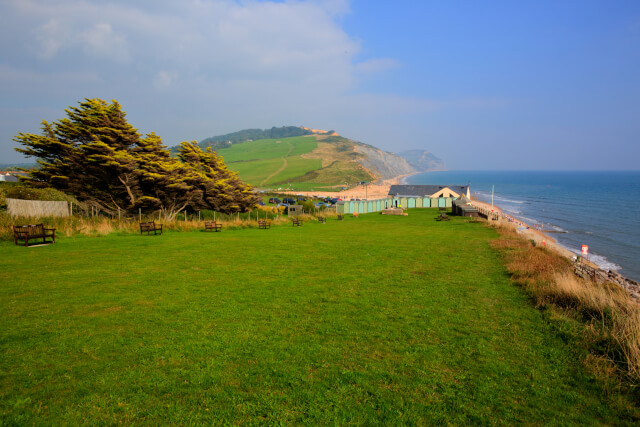
For those who love the outdoors, Dorset and Devon both provide excellent opportunities to explore on foot.
Dorset is perfect for scenic coastal walking. The South West Coast Path runs along clifftops with stunning sea views and passes through nature reserves and quiet countryside. Many walks are accessible and well signposted, making them suitable for all abilities. Inland, the rolling Dorset countryside offers gentle routes through fields, villages and historic landscapes. A few great options are:
Devon is often seen as the more adventurous option for walking holidays. Dartmoor and Exmoor offer rugged terrain, open moorland and longer, more challenging routes. Coastal paths in Devon can also be more demanding, but they reward walkers with breathtaking views and a real sense of achievement. A few options are:
Quick takeaway:

Food is an important part of any holiday, and both Dorset and Devon have strong food cultures rooted in local produce.
Dorset is known for its fresh seafood, locally brewed ales and excellent dining options. Coastal towns and villages offer everything from traditional fish and chips to refined restaurants focusing on seasonal ingredients. Farmers’ markets and independent food producers add to the county’s appeal for food lovers.
Devon is famous for its cream teas, with jam first being the local tradition. Alongside this, the county produces excellent cheeses, fresh seafood and hearty pub food. Whether you are enjoying a cream tea after a walk or a relaxed meal overlooking the sea, Devon has plenty to offer.
Quick takeaway:
The atmosphere of each county can play a big role in deciding where to stay.

Dorset has a timeless and traditional feel. Pretty villages, historic market towns and relaxed seaside resorts create a calm and welcoming atmosphere. It is an ideal choice for those looking to slow down, explore at an easy pace and enjoy classic coastal charm.
Devon feels more varied. From lively coastal towns to quiet inland villages, there is a broader mix of experiences. Some areas feel energetic and outdoors focused, while others are peaceful and rural, giving visitors plenty of choice depending on the type of holiday they want.
Quick takeaway:
Both counties benefit from a mild south coast climate, but there are small differences.
Dorset often enjoys slightly drier and warmer weather, particularly along the coast, which makes it a popular choice for beach breaks and outdoor activities.
Devon’s weather can vary more depending on location, especially on the north coast and higher ground. However, this also adds to its dramatic landscapes and seasonal beauty.
Spring and summer are popular times to visit both counties, while autumn brings quieter beaches, colourful countryside and excellent walking conditions. Winter offers peaceful coastal escapes and cosy breaks by the sea.

There is no clear winner, just two wonderful destinations that suit different holiday styles.
Choose Dorset if you want:
Choose Devon if you want:
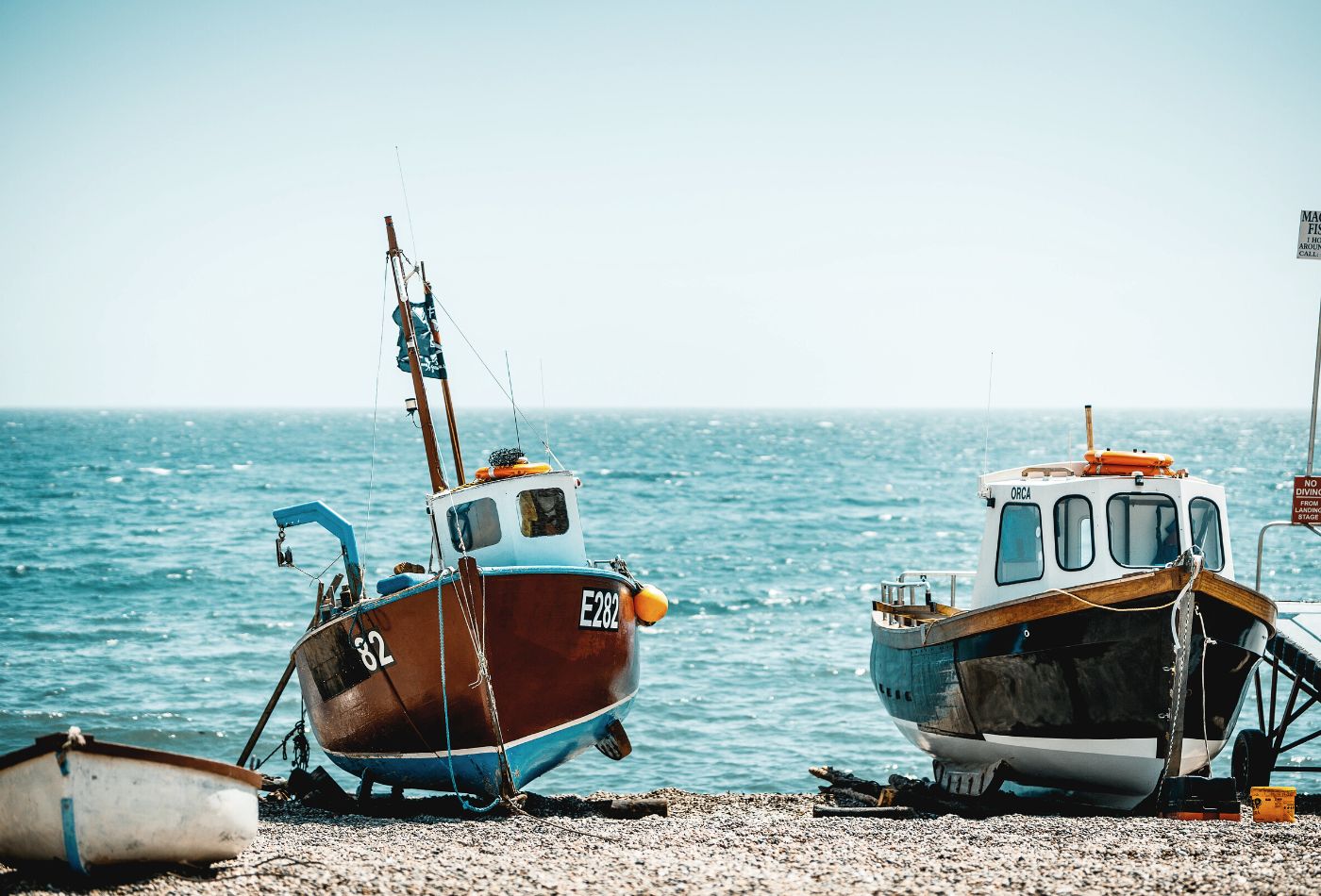
If you are planning a stay around Lyme Bay, you are ideally placed to enjoy the best of Dorset while still being close enough to explore parts of Devon. It is the perfect base for discovering this beautiful stretch of the south coast.
Whichever you choose, a holiday in Dorset or Devon promises fresh sea air, stunning scenery and plenty of opportunities to make lasting memories.
View properties in Dorset and Devon here.
by Laura Bell / Travel Guide

Hi I'm Laura Bell and I love staycations! I'm a marketing executive for our South brands and have enjoyed 3 years of writing. I en...
Read More About Author
Looking for cottages to rent in Axminster? You’ve come to the right place! Nestled on the Devon-Dorset border, Axminster...
Dorset has long been one of the most popular tourist locations in the UK, offering breathtaking views, rugged coastlines,...
Considering a trip to the stunning Jurassic Coast? We’ve got you covered with absolutely everything you need to know....
