
How to name your holiday home
Choosing a name for your holiday home in Dorset and Devon is more than a finishing touch, it becomes...





by Laura Bell / Cottage Owners
Starting a holiday cottage business in Dorset or Devon can be an exciting way to generate income from a second property while creating memorable experiences for visitors. However, success rarely comes from simply listing a cottage online and waiting for bookings to arrive.
Learning how to start and run a holiday cottage business means understanding your market, building an attractive guest offering and managing the day-to-day operations as professionally as any other hospitality business. Whether you’re converting an existing property or investing in a new opportunity, taking a strategic approach from the beginning will put you in a stronger position for long-term success.
This guide provides essential questions and concerns for those contemplating how to start up a holiday let business.
Before opening your doors to guests, it’s important to understand the market you’re entering. Demand for holiday accommodation can vary significantly depending on location, seasonality and the type of experience travellers are looking for. Research similar holiday cottages in your area and look closely at pricing, occupancy patterns and guest reviews. This will help you identify gaps in the market and understand what guests expect.
Successful holiday let businesses are built around guest demand rather than assumptions. A property in a sought-after location may perform well, but understanding why guests choose that destination will help you position your property more effectively and create a stronger marketing message.
If you are purchasing a property specifically for holiday letting, think beyond appearance and consider how practical the space will be for guests. Accessibility, parking, nearby attractions and ease of maintenance can all influence long-term profitability.
For existing owners, preparing a property for short-term accommodation may involve upgrades to improve comfort and appeal. Small details often have a bigger impact than expected, and travellers increasingly look for properties that combine convenience with character.
The most successful holiday cottages are usually designed with guest experience in mind from the outset rather than treated as occasional rentals.
One of the most overlooked stages of learning how to start and run a holiday cottage business is developing a realistic business plan. A holiday cottage should be treated as a commercial venture, with clear expectations around costs, occupancy and revenue.
Your financial planning should account for initial setup costs alongside ongoing expenses such as maintenance, cleaning, utilities, insurance and marketing. Seasonal fluctuations should also be factored into forecasting, particularly in destinations where booking demand changes throughout the year.
Having clear financial goals allows you to make informed decisions about pricing, investment and future growth.

Running a holiday cottage business comes with operational and legal responsibilities that should be addressed before accepting bookings. Depending on your location, this may include planning considerations, health and safety requirements, insurance and tax obligations.
Ensuring the property meets relevant standards not only protects your business but also creates confidence for guests. Taking time to understand these requirements early can prevent disruptions and create a smoother launch process.
As regulations can evolve, reviewing current guidance regularly should become part of your ongoing business management.

Guest expectations continue to rise, which means presentation and experience matter more than ever. A successful holiday cottage should feel welcoming, practical and thoughtfully equipped.
Comfortable furnishings, reliable internet, well-equipped kitchens and quality finishes all contribute to positive guest experiences. At the same time, the property should remain durable enough to handle regular occupancy and changeovers.
Many owners find that memorable details are what generate strong reviews and repeat bookings. Providing useful local recommendations, creating clear arrival information and delivering consistently high standards can all strengthen your reputation over time.
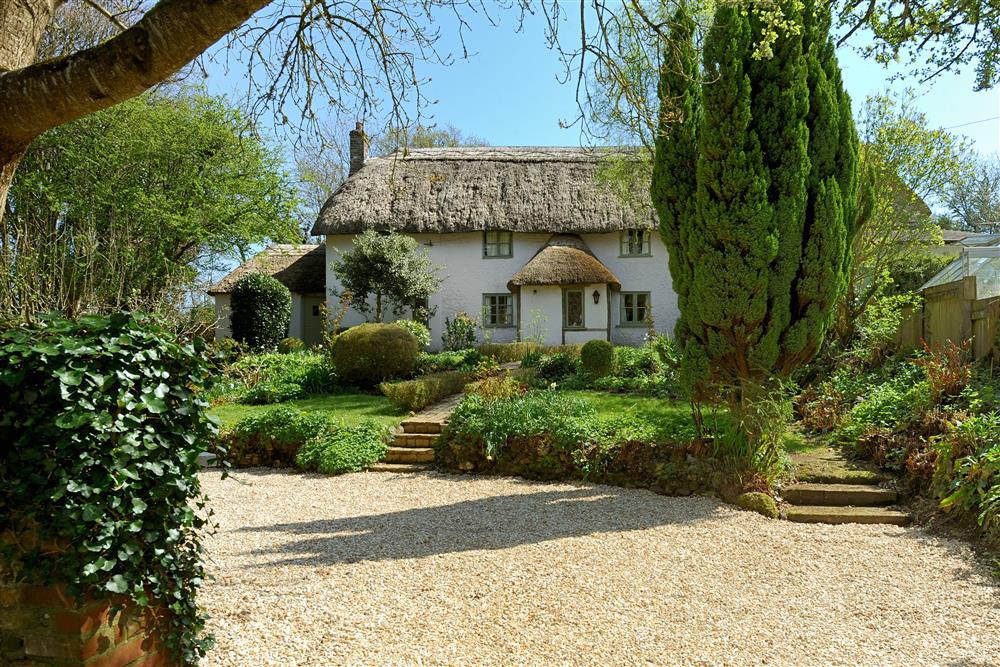
Managing a holiday cottage requires more than handling bookings. Guest communication, cleaning coordination, maintenance, pricing and marketing all need regular attention.
Some owners prefer to manage everything independently to maintain complete control, while others work with holiday let management specialists who oversee day-to-day operations. There is no single right approach, but choosing a management structure with a holiday let agency like Lyme Bay Holidays that fits your availability and goals will make the business more sustainable.
As your bookings increase, having efficient systems in place becomes increasingly valuable.
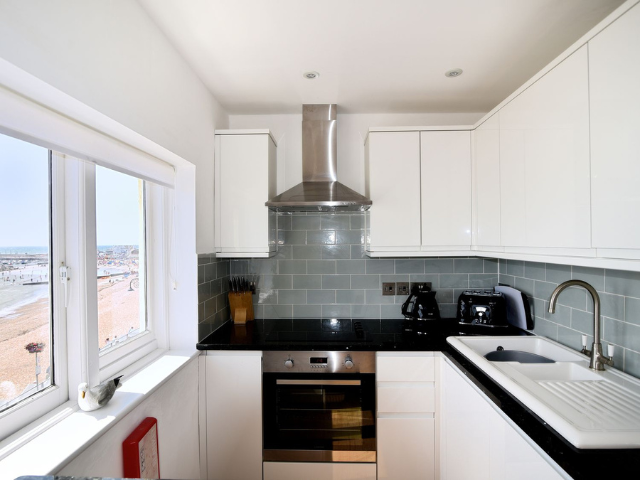
Marketing plays a major role in determining how successful your holiday cottage business becomes. Even exceptional properties can struggle without visibility and consistent promotion.
Professional photography, search engine optimisation and a strong online presence can help attract bookings and build trust. Content should focus not only on the property itself but also on the experience guests can expect from the destination.
Optimising your website and content around search terms such as “how to start and run a holiday cottage business” and related holiday let topics can also support long-term organic visibility.
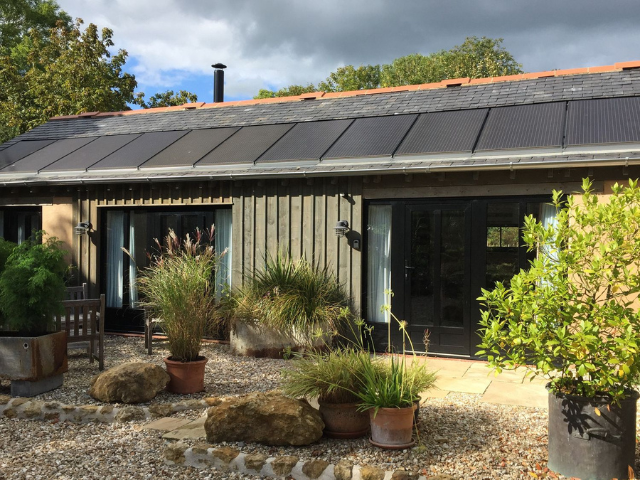
Launching your property is only the beginning. Ongoing success comes from regularly reviewing performance and adapting to guest expectations.
Monitoring occupancy, average booking values and guest feedback provides valuable insight into where improvements can be made. Incremental changes to pricing, amenities and operations can have a meaningful impact on profitability over time.
Learning how to start and run a holiday cottage business is an ongoing process, but owners who remain responsive to market trends and guest needs are often the ones who achieve sustainable growth.
Building a successful holiday cottage business takes planning, consistency and a strong focus on guest experience. By researching your market, preparing your property carefully and managing operations professionally, you can create a business that attracts repeat visitors and delivers long-term returns. Whether you are launching your first holiday let or refining an existing property, taking a strategic approach will help turn your cottage into a successful hospitality business.
Owning a holiday let entails responsibilities essential for guest safety and satisfaction. These include securing adequate insurance, following fire safety regulations, maintaining the property, and obtaining an energy performance certificate. Family holiday cottages might need extra safety measures to accommodate all ages.
Download your free owner pack and get started today on your holiday letting journey.
A holiday cottage business can be profitable, but returns depend on factors including location, occupancy levels, pricing strategy, operating costs and guest experience. Properties in popular destinations with strong reviews and effective marketing often achieve more consistent bookings. Treating the cottage as a business rather than passive income is usually key to long-term profitability.
The cost of starting a holiday cottage business varies depending on whether you already own a property or are purchasing one specifically for holiday letting. Initial expenses may include renovations, furnishing, insurance, photography, marketing and legal compliance. Ongoing costs typically include cleaning, maintenance, utilities and property management.
Requirements vary depending on where your property is located. Some areas have planning rules, licensing requirements or local restrictions for short-term holiday accommodation. It’s important to check current regulations and ensure your property meets any legal and safety obligations before accepting bookings.
Successful holiday cottages usually combine a desirable location with excellent guest experience. Cleanliness, comfortable interiors, reliable amenities and responsive communication all contribute to positive reviews and repeat bookings. Properties that offer something distinctive often stand out in a competitive market.
This depends on how involved you want to be in daily operations. Self-management offers more control and can reduce costs, but it requires time for guest communication, cleaning coordination and maintenance. Using a management company such as ourselves at Lyme Bay Holidays can reduce workload and help streamline operations, particularly if you live far from the property.
Increasing bookings typically involves improving visibility and delivering a strong guest experience. Professional photography, search engine optimisation, positive reviews and clear property descriptions can all improve performance. Many successful owners also update pricing seasonally and promote local experiences to encourage direct bookings.
A holiday cottage refers to the property itself, while a holiday let business covers the full operation behind it, including marketing, guest management, pricing, maintenance and financial planning. Running a holiday cottage business means managing both the property and the customer experience.
The timeline depends on the condition of the property and how much preparation is required. Setting up a holiday cottage business can take anywhere from a few weeks to several months once furnishing, compliance checks, photography and marketing are included. Planning ahead can help speed up the launch process while maintaining quality.
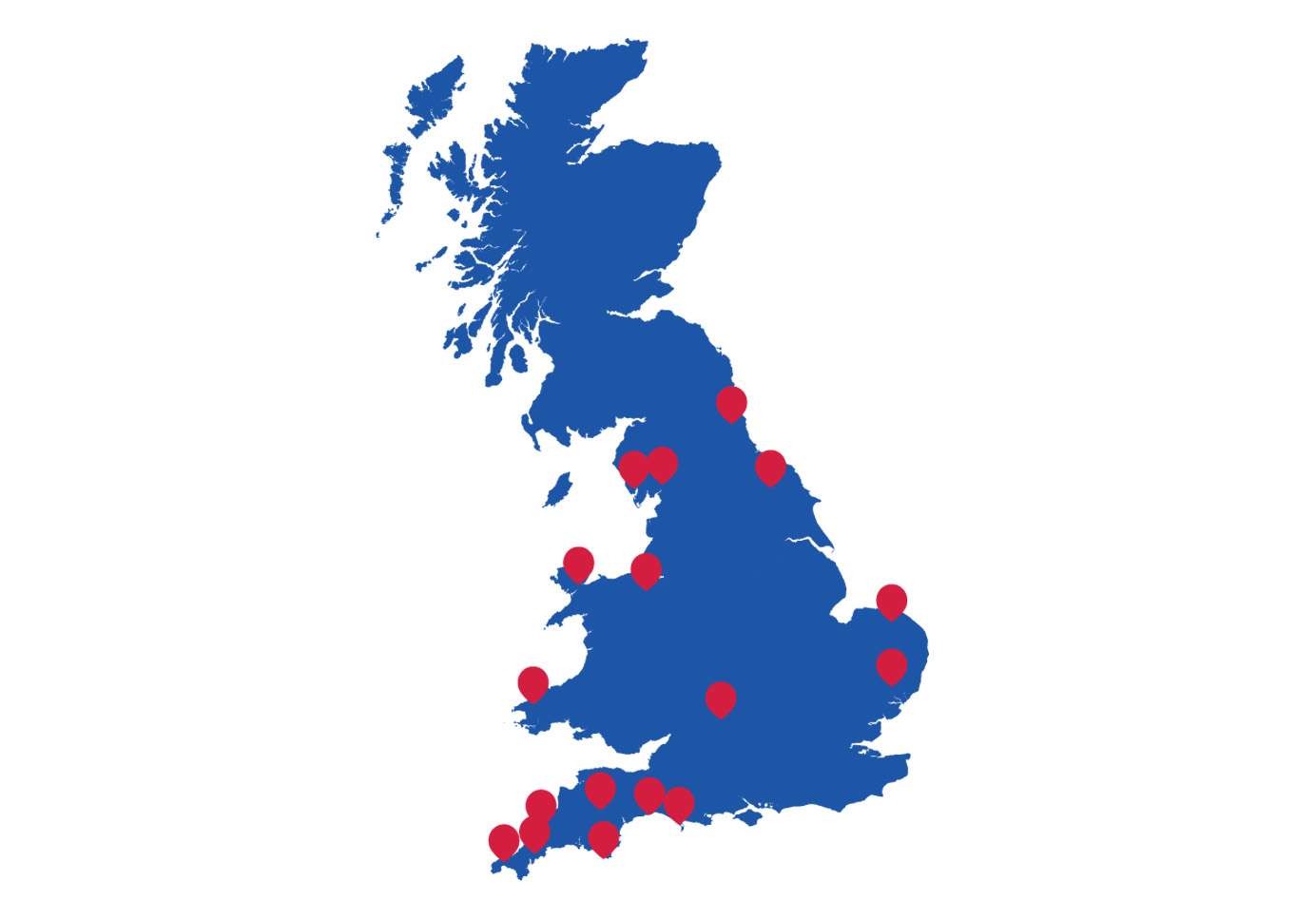
Interested in letting a property outside of the Dorset? We’re proud to be part of Sykes Holiday Cottages, with a network of regional brands offering the same award-winning service across the UK. Enquire now to be put in touch with your local holiday letting experts.

Find out how we can work together. With over 25 years’ experience, our local expertise will give you peace of mind and bring you the bookings you deserve.
by Laura Bell / Cottage Owners

Hi I'm Laura Bell and I love staycations! I'm a marketing executive for our South brands and have enjoyed 3 years of writing. I en...
Read More About Author
Choosing a name for your holiday home in Dorset and Devon is more than a finishing touch, it becomes...
If you’re looking to make an eco holiday let in Dorset or make a few simple changes to your...
If you’re already holiday letting in Dorset or Devon, or thinking of taking the plunge, 2026 is shaping up...
